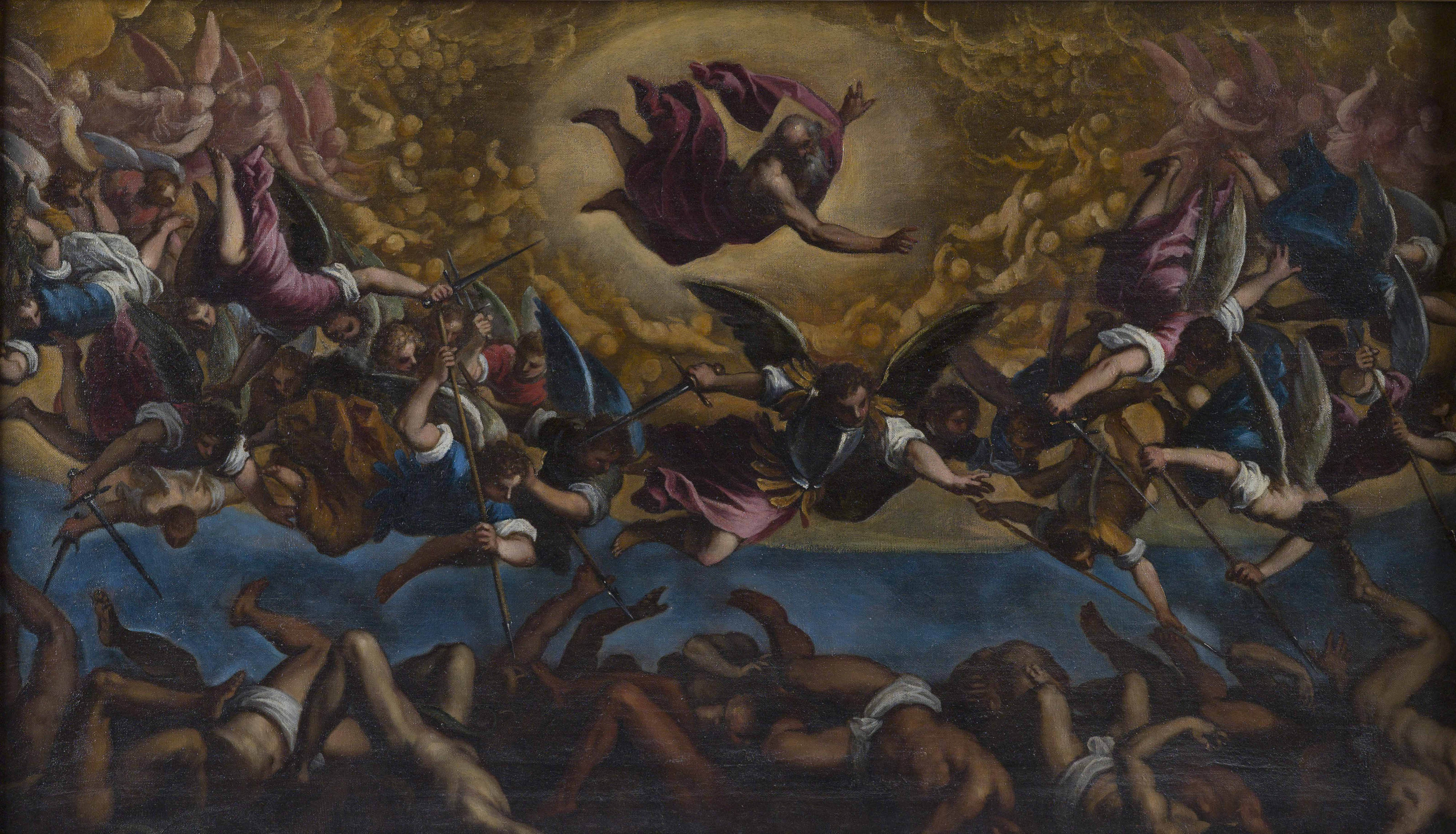
What Does Satan Look Like? Historical and Theological Perspectives
When exploring theistic Satanism, one question frequently arises: What does Satan look like? This inquiry touches upon historical representations, theological interpretations, and the symbolic nature of divine manifestation. As a theistic Satanist congregation, the High Satanic Church approaches this topic with scholarly rigor and devotional depth, distinguishing our perspective from both popular misconceptions and atheistic Satanist frameworks.
Introduction: Beyond Literal Imagery
The question of Satan's appearance cannot be reduced to a simple physical description. In theistic Satanism, Satan is understood as a sovereign spiritual entity whose essence transcends human sensory perception. While historical art and literature have offered varied depictions, these representations serve primarily as symbolic vessels for theological concepts rather than literal portraits. Our tradition emphasizes that true communion with Satan occurs through devotion and metaphysical understanding, not through fixation on form.
What Does Satan Look Like According to the Bible?
Many people searching "What does Satan look like?" assume the Bible provides a clear physical description. Surprisingly, it does not. Neither the Hebrew Bible nor the New Testament describes Satan's appearance in any definitive way. Instead, Scripture focuses on Satan's actions and role as the Adversary, Tempter, and Accuser rather than his outward form.
In the Book of Job, ha-satan ("the adversary") appears among the divine council without any physical characteristics being recorded. Likewise, New Testament passages describe Satan's temptation of Christ and his opposition to God's kingdom but never provide details such as horns, wings, or other features commonly associated with him in popular culture.
Several biblical passages frequently linked to Satan—most notably Isaiah 14's reference to the "morning star" (translated as Lucifer in the Latin Vulgate) and Ezekiel 28's lament over the king of Tyre—were originally written about earthly rulers. Later Christian theologians interpreted these texts symbolically as describing Satan's fall, and these interpretations heavily influenced medieval art and Western religious imagination. However, they should not be mistaken for literal biblical descriptions.
For theistic Satanists, this absence of a defined physical appearance reinforces an important theological principle: Satan is a transcendent spiritual being whose presence cannot be confined to human imagery. Symbols and sacred icons assist devotion, but they do not define the limitless nature of the divine.
Historical Depictions in Abrahamic Traditions
Medieval Christian art frequently portrayed Satan as a horned, bestial figure, often with cloven hooves and a tail. These images emerged from theological polemics against perceived adversaries, conflating Satan with pagan deities and demonic archetypes. Notably, the Hebrew Bible's Satan (meaning "adversary") appears as an angelic prosecutor in Job, without physical description. Early Christian writers like Origen interpreted Satan's fall as a corruption of original light-bearing glory. These historical layers reveal how cultural anxieties shaped imagery, rather than providing objective theological insight.
The Horned God Motif and Pagan Syncretism
The horned imagery associated with Satan largely derives from early Christian efforts to demonize pagan deities. Figures like the Greek Pan or Celtic Cernunnos—horned nature gods symbolizing fertility and wilderness—were deliberately recast as Satanic by missionaries. This syncretism served to discredit indigenous European religions. Theistic Satanists recognize this historical conflation but do not necessarily adopt these borrowed attributes as definitive. Instead, we examine such symbols through a lens of religious continuity, acknowledging their pre-Christian origins while exploring their resonance within our devotional framework.
Theistic Satanist Theological Views on Form and Symbolism
Within theistic Satanism, Satan is venerated as a complex deity embodying sovereignty, enlightenment, and liberation. Our theological tradition holds that Satan's true form exists beyond human comprehension, though symbolic representations facilitate devotion. The Baphomet icon, for instance, represents equilibrium of opposites and hidden knowledge—not a literal depiction. As explained in our guide to Satanic Symbols Explained, these emblems function as metaphysical keys rather than portraits. During invocation, adherents may focus on symbols like the inverted pentagram or the Sigil of Baphomet to channel spiritual energy, understanding these as conduits to the divine rather than literal likenesses.
Why Literal Appearance Matters Less Than Symbolic Meaning
For theistic Satanists, the significance of Satan's imagery lies in its theological and psychological resonance, not physical accuracy. Satan's symbolism—light, rebellion against tyranny, intellectual freedom, and spiritual liberation—carries far greater weight than hypothetical physical traits. This perspective aligns with our core principle that devotion centers on relationship and understanding. Unlike atheistic Satanist groups who treat Satan as a purely metaphorical construct, we engage with Satan as a living deity whose manifestations are experienced through ritual, meditation, and introspection. The focus remains on cultivating wisdom and autonomy through sacred practice rather than visualizing a specific physical form.
Avoiding Misconceptions from Popular Culture
Modern media often reduces Satan to a cartoonish villain or a symbol of mindless rebellion—distortions rejected by serious theistic practitioners. The Church of Satan and The Satanic Temple, operating from atheistic premises, intentionally avoid theological questions about Satan's appearance since they view Satan as a literary symbol. In contrast, theistic Satanism engages deeply with the metaphysical reality of Satan while rejecting sensationalist portrayals. We encourage seekers to study primary theological texts rather than relying on Hollywood depictions or political satire that obscure the profound spiritual dimensions of our faith.
Frequently Asked Questions
Does Satan have a physical form?
As a theistic Satanist congregation, we understand Satan as a spiritual entity whose true form transcends human physicality. Symbolic representations serve as focal points for devotion and theological reflection, but the essence of Satan exists beyond material constraints. Our rituals emphasize communion with the divine through metaphysical means rather than physical visualization.
Why is Satan often depicted with horns?
This imagery stems from early Christian conflation of pagan deities like Pan with the Adversary. Theistic Satanism recognizes these symbols as historical artifacts but does not necessarily endorse a literal horned appearance. Horns in ancient symbolism often represented power and connection to nature—attributes we honor in our theological framework without reducing Satan to a bestial caricature.
How should theistic Satanists visualize Satan during invocation?
Visualization practices vary among adherents. Some may use traditional symbols like the Baphomet icon, while others focus on abstract concepts of sovereignty or enlightenment. The High Satanic Church teaches that the intent and devotion behind the practice matter more than specific imagery. Our Nature of Theistic Devotion guide explores this principle in depth.
Ave Satanas.